TrenchOps 🐎

Insights from the tech trenches

Vibe Coding

Cover Image

Why vibe-coded tools are obsolete before release

And why the next top hire thinks three problems ahead

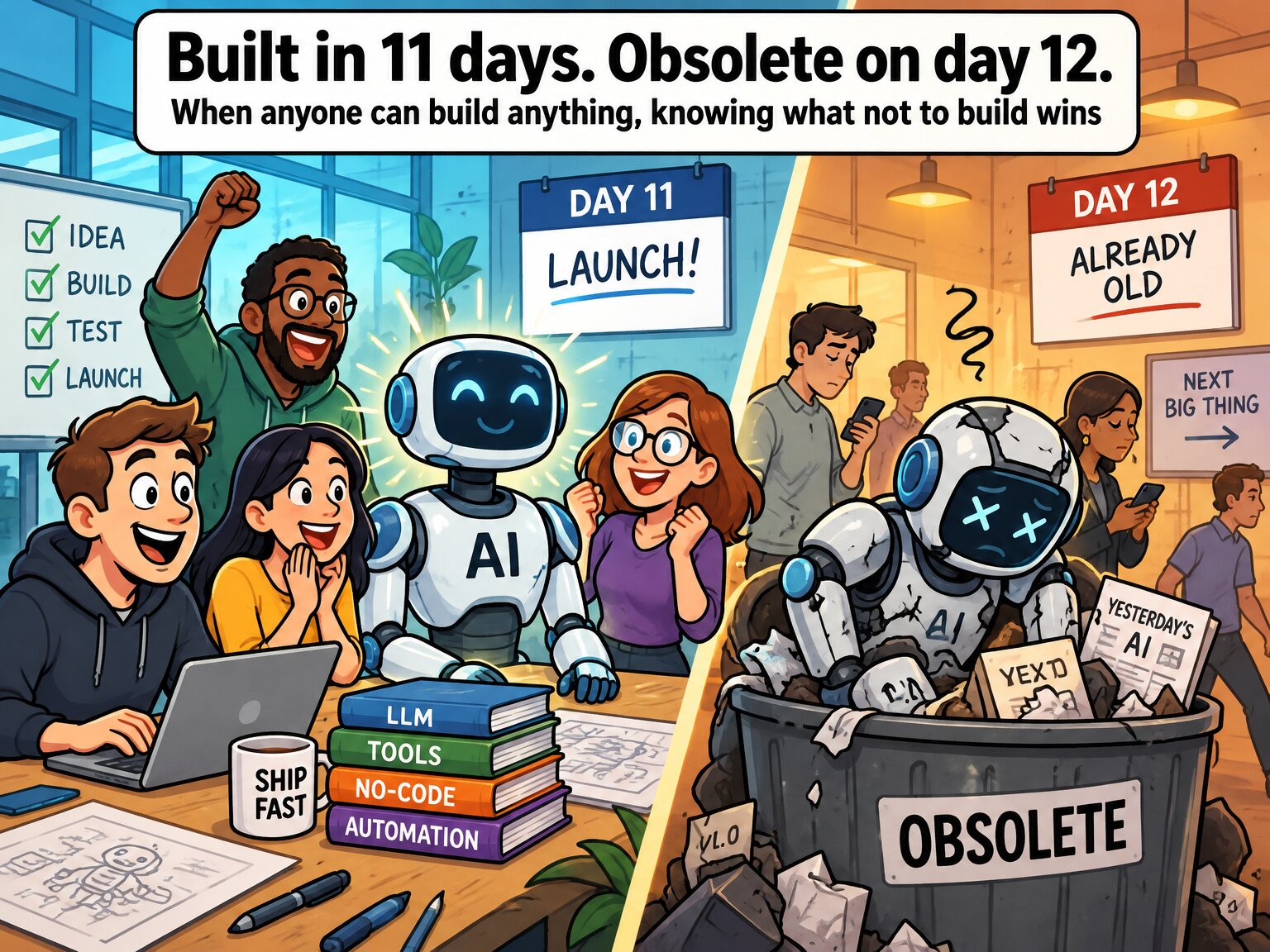
A team I once worked with built an internal tool in eleven days. That used to be a quarter's work. It was a beautiful ticket-triage dashboard with auto-tagging, severity prediction, a heat map and a dark mode nobody asked for. They used AI-assisted "vibe coding," which means describing what you want in plain language and letting the model write most of the code. The demo was flawless.

Then a quiet engineer in the back raised his hand. He was one of those people whose calendar is suspiciously empty because he actually works.

"Why do we get these tickets at all?"

Silence. Someone checked. About 40% of the category came from a single cryptic error message in the installer. He rewrote the message that afternoon and added one link to a knowledge article. The ticket volume collapsed within weeks.

The dashboard was now a very elegant way to watch an empty room. Eleven days of work went obsolete before its release party. The cake was still good, though.

Nobody did anything wrong. And that is exactly the problem.

When building becomes cheap, the bottleneck moves

For decades, building software was the expensive part. Thinking about what to build was considered cheap, almost a luxury. You could afford a fuzzy problem statement because implementation took so long that reality corrected you along the way.

Read more
Cover Image

Your Vibe Coders Are Not Building Tools

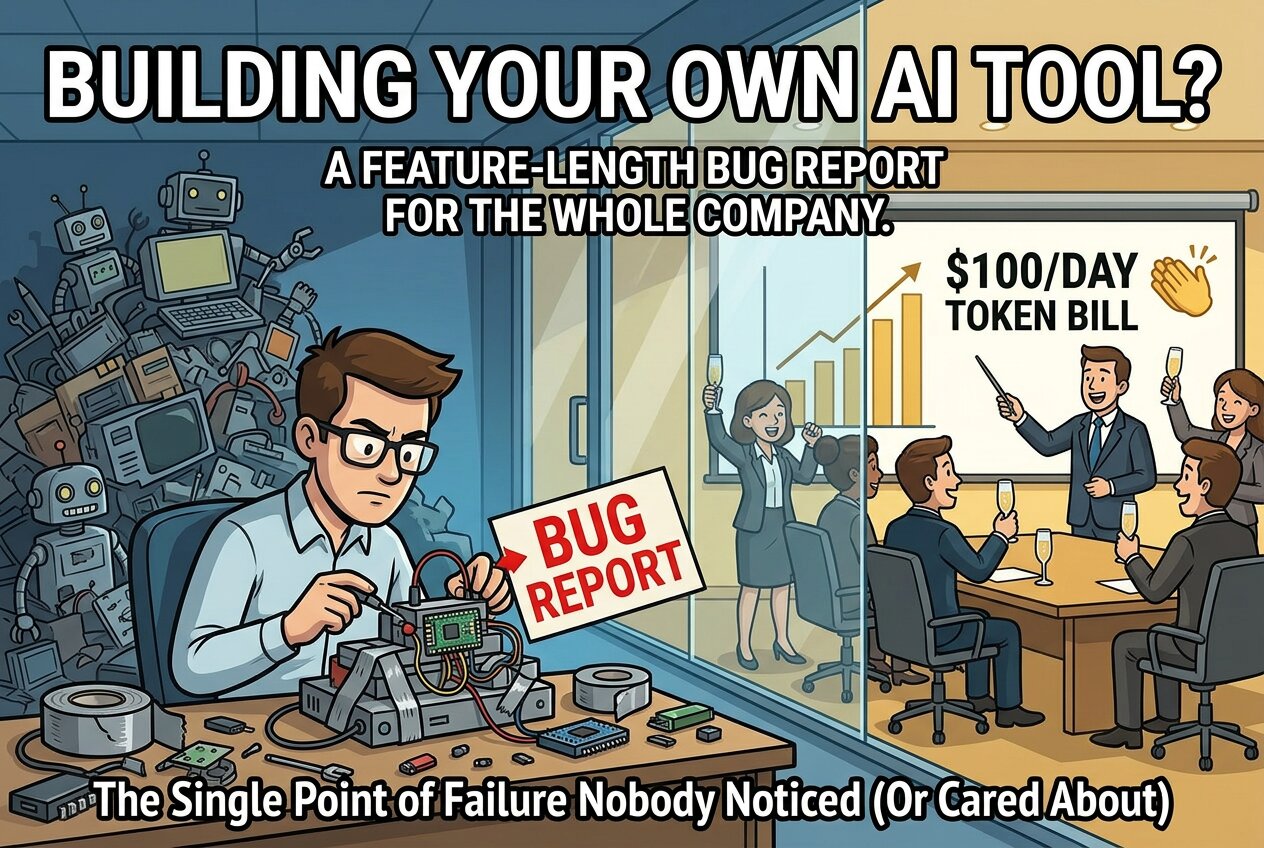
They Are Filing Bug Reports Against Your Company

A while back I met an old colleague for cocktails. We do this every so often - two people who have seen enough server rooms and steering committees to know that the best incident reviews happen over a Negroni.

He was in a great mood. His company's vibe coding (quickly developing software using AI like Claude without writing (or sometimes even understanding) the code itself) adoption was through the roof. And not just among developers - consultants, architects, support engineers, basically anyone with a pulse and a Claude license was building tools. Management was celebrating. They threw around numbers like trophies: one engineer burned through 100 dollars a day in tokens. Applause. High fives. Slide decks.

And honestly? Fair enough. If a 100-dollar-a-day token bill produces a tool that saves ten hours of engineering time per week, that's the cheapest employee you ever hired. I am not here to rain on token budgets. Fun fact on the side: "vibe coding" went from a casual Karpathy tweet to Collins Dictionary Word of the Year within roughly twelve months. That's faster adoption than most companies manage for a new expense tool.

But while my colleague was celebrating, I was doing what 20+ years in support trenches trains you to do: listening for the alarm underneath the applause.

Read more