 TrenchOps 🐎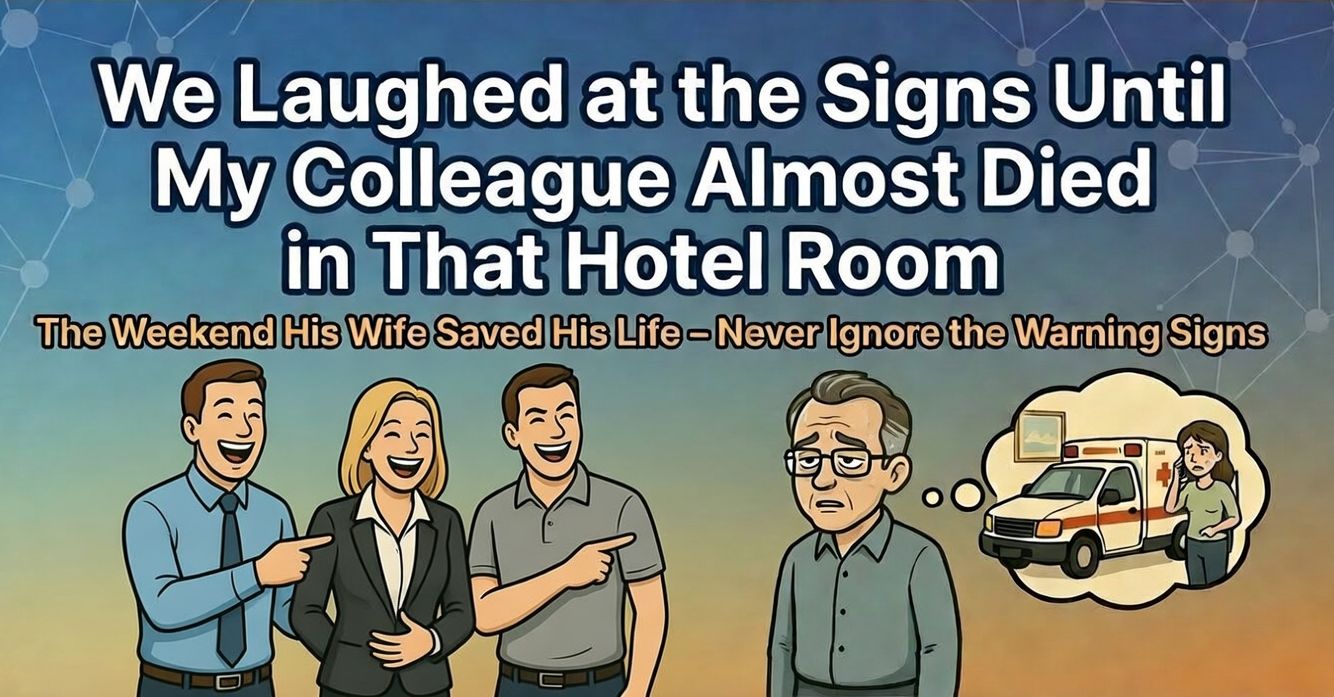
We Laughed at the Signs Until My Colleague Almost Died
I once got dropped into a major customer site as an on-site engineer because our products were failing and contracts were on the line. The customer was frustrated, the project was bleeding, and leadership needed someone who could actually see the mess from the inside.
So I was embedded directly into their project management, architecture, and SysOps teams. They treated me like one of their own - invited me to the Christmas party, shared lunches, and made the whole intense situation feel almost human. One colleague stood out: a senior consultant on a freelance contract, mid-to-late fifties, living several hundred kilometers away.
Every week he drove in on Sunday night, stayed in a cheap hotel Monday to Friday, then drove home to his wife on Friday evening. Two weekends a year his wife came to the city to spend time with him in that same hotel. We clicked immediately - same dry humor, same way of seeing the absurdity in the chaos. Most days we grabbed lunch together.
Over time things started to shift. Small mistakes crept in. He seemed a little confused at times. Hair unkempt, arriving later each morning. The team noticed. Jokes started flying - light ones about him "exploring the local nightlife".
We laughed.
We rolled our eyes.
We moved on.
After all, everyone was stressed, right?
Then one of those rare weekends arrived. His wife was in town. Saturday morning he suffered a massive heart attack right there in the hotel room. Luckily she was beside him, called the ambulance immediately, and got him help in time. He survived. He recovered - not fully, but enough to keep going.
The part that still hits me years later: if she hadn't been there that one weekend out of fifty-two, he probably wouldn't have made it. Most weeks he was alone in that hotel room. We had seen the signs for weeks - the fatigue, the confusion, the slow unraveling - and we chose to joke instead of asking.
If you see something off in a colleague you see every day - the late arrivals, the mistakes that aren't like them, the quiet withdrawal, the sudden changes - don't laugh it off in the hallway. Don't assume it's "just stress." Pull them aside in a quiet moment, one-on-one, and ask: "Hey, you alright? Anything I can help with?" If it feels bigger, gently nudge them toward a check-up. No drama, no big intervention - just quiet care.
Our jobs are brutal. Long hours, constant pressure, and the weight of keeping customers happy while the company ships features nobody asked for. Burnout doesn't always look like dramatic breakdowns. Sometimes it looks like a guy in his fifties driving 500 km every weekend just to see his wife slowly running out of steam. Taking care of each other isn't soft. It's the smartest retention strategy there is. One conversation can literally save a life. We owe it to the people who show up every day carrying the real load.
This article is also available in German.
0 comment(s)
No comments yet. Be the first to comment.
Leave a comment